
As we move further into 2026, the global construction landscape is witnessing a seismic shift. Traditional brick-and-mortar industrial buildings are rapidly being replaced by Pre-Engineered Buildings (PEB). It’s a combination of speed, sustainability, and structural intelligence.
1. Rapid Deployment and Speed
Time is money in the logistics sector. Unlike conventional structures that take months of on-site fabrication, PEB components are designed and manufactured in a controlled factory environment. This allows for:
- 50% Faster Timelines: Parallel processing of foundation and fabrication.
- Reduced Labor: Assembly-line precision on the construction site.
- Weather Resistance: Factory production eliminates seasonal delays.
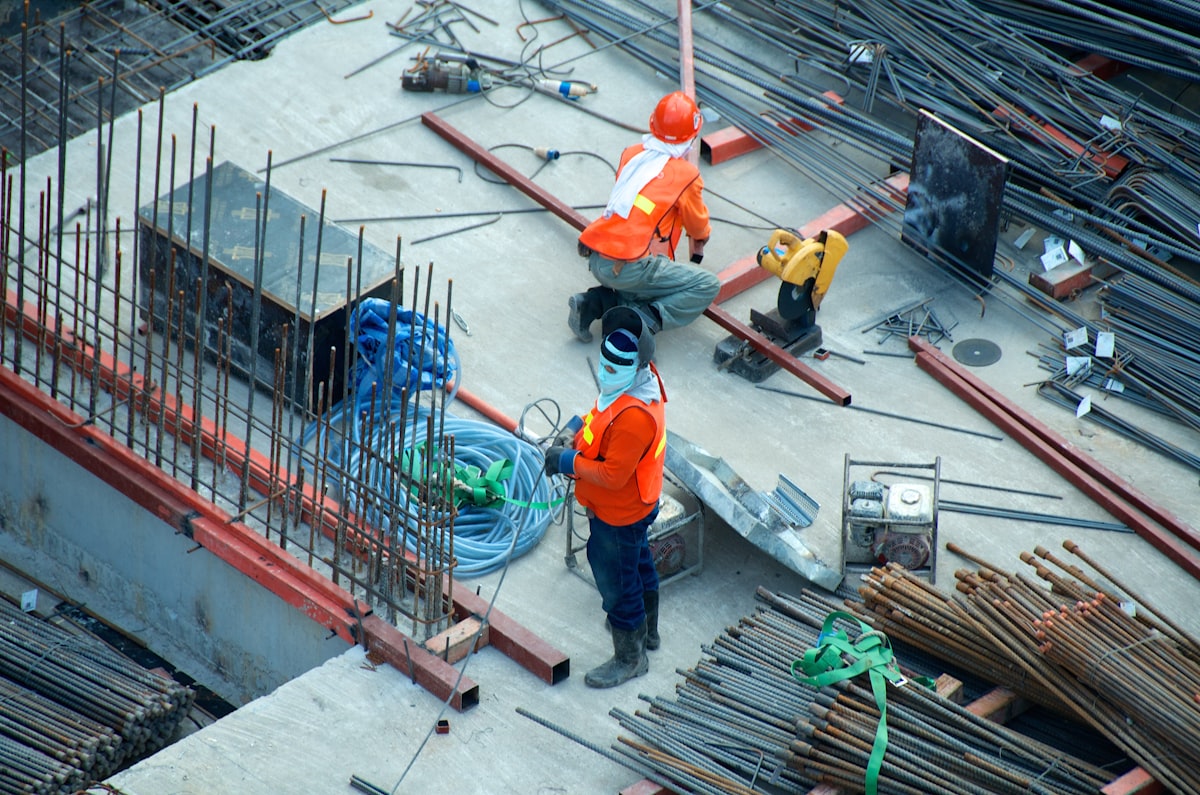
2. Seismic Resistance and Structural Integrity
Modern PEB designs utilize high-strength steel grades and advanced software like STAAD.Pro to ensure maximum safety. In earthquake-prone zones, the flexibility of steel frames provides a significant advantage over rigid concrete structures.
“The flexibility of steel combined with precision engineering makes PEB the safest choice for high-risk seismic zones across the globe.”
— Lead Engineer, Vastech Steel Solutions
Technical Specifications for 2026
We are now seeing the integration of Smart Sensors within the primary frames. These sensors monitor structural stress in real-time, providing data directly to facility managers to prevent long-term wear and tear.
| Comparison Factor | Conventional Building | PEB Structure |
|---|---|---|
| Design Basis | Manual / Standard Codes | Software Optimized (STAAD) |
| Delivery Time | 20-26 Weeks | 6-8 Weeks |
| Foundation | Heavy & Expensive | Simple & Lightweight |
3. Conclusion
Whether you are a developer looking for a quick-turnaround warehouse or an architect aiming for a sustainable design, the PEB methodology offers a versatile, green, and cost-effective solution for the modern era.

Leave a Reply to A WordPress Commenter Cancel reply