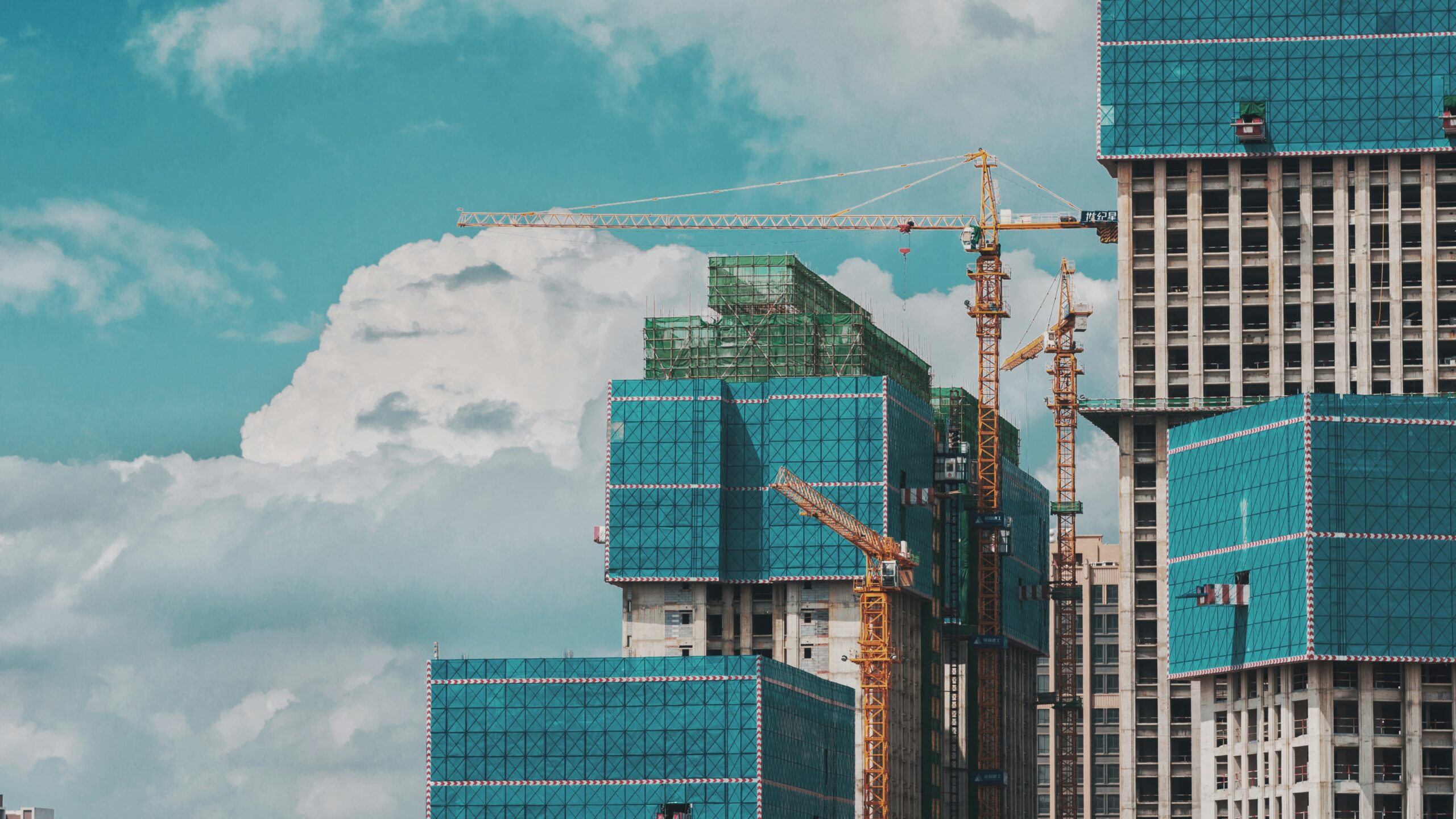
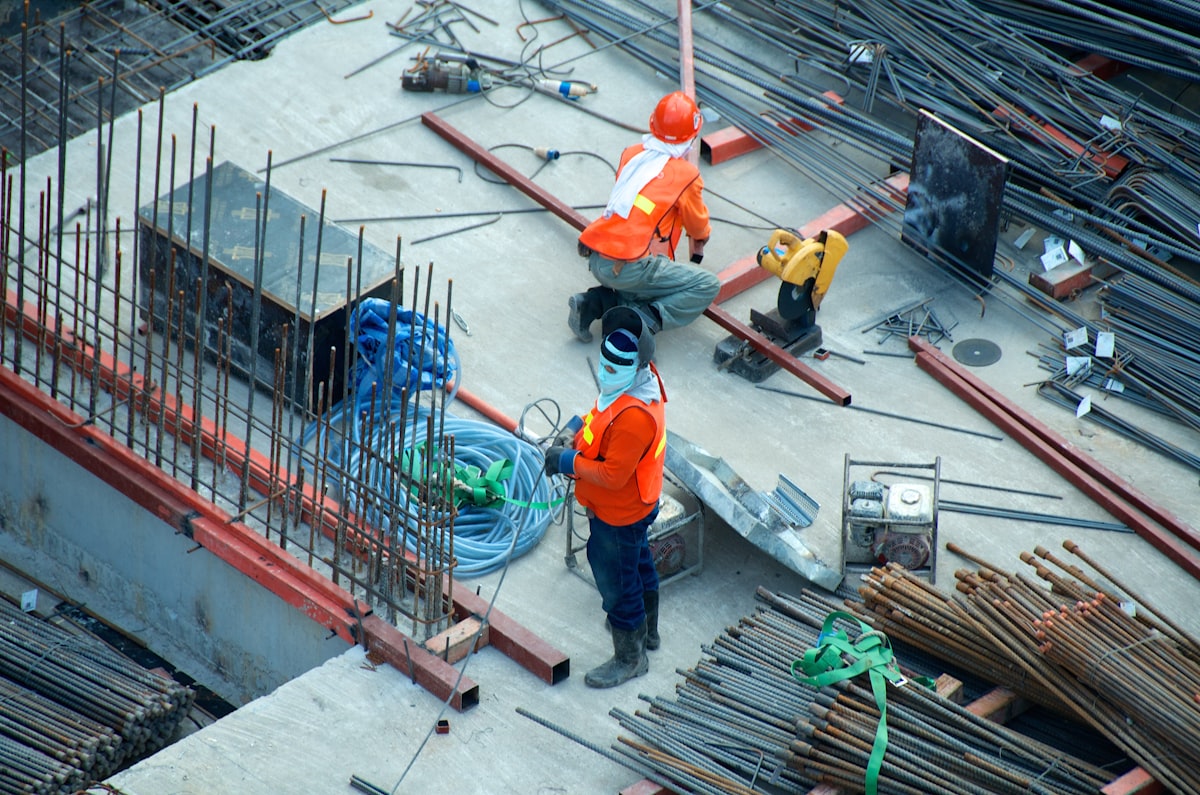
Sustainability is no longer a buzzword; it’s a regulatory requirement in 2026. As the construction industry accounts for nearly 40% of global carbon emissions, Pre-Engineered Buildings (PEB) have emerged as the greenest alternative to traditional concrete.
1. The Infinite Recyclability of Steel
Unlike concrete, which often ends up in landfills after demolition, the steel used in PEB structures is 100% recyclable. This creates a circular economy where the structural components of today can become the raw materials of tomorrow.
- Zero Waste: Precision cutting in factories ensures minimal scrap.
- Energy Efficient: Modern steel production uses 30% less energy than a decade ago.
- Reduced Site Impact: Less heavy machinery on-site means less soil and noise pollution.
2. Thermal Performance & Solar Integration
One of the biggest breakthroughs in 2026 is the use of Phase Change Materials (PCM) in sandwich panels. These panels regulate indoor temperatures naturally, reducing HVAC energy consumption by up to 25%.
| Green Feature | Environmental Impact | Cost Savings |
|---|---|---|
| Cool Roof Coating | Reduces Urban Heat Island Effect | 15% Lower Cooling Bills |
| Sky Lights | Zero Energy Daytime Lighting | Reduced Electricity Usage |
| High-R Insulation | Superior Thermal Retainment | Lower Carbon Footprint |
3. Earning Carbon Credits with PEB
Governments are now incentivizing low-carbon construction. By choosing PEB, developers can qualify for LEED (Leadership in Energy and Environmental Design) certifications and trade carbon credits in the international market.
“In 2026, a building’s value isn’t just in its square footage, but in its ‘Green Score’. PEB is the fastest route to a 5-star rating.”
— Environmental Architect, GreenBuild Solutions
Key Takeaways for Developers
- Opt for high-recycled content steel.
- Integrate solar-ready roof purlins during the design phase.
- Use water-based, low-VOC coatings for interior frames.
The transition to green steel is not just an ethical choice—it’s a smart business move. As we look toward the 2030 net-zero goals, PEB stands as the backbone of eco-conscious industrial growth.